 +919871148514
 info@memorableindia.com
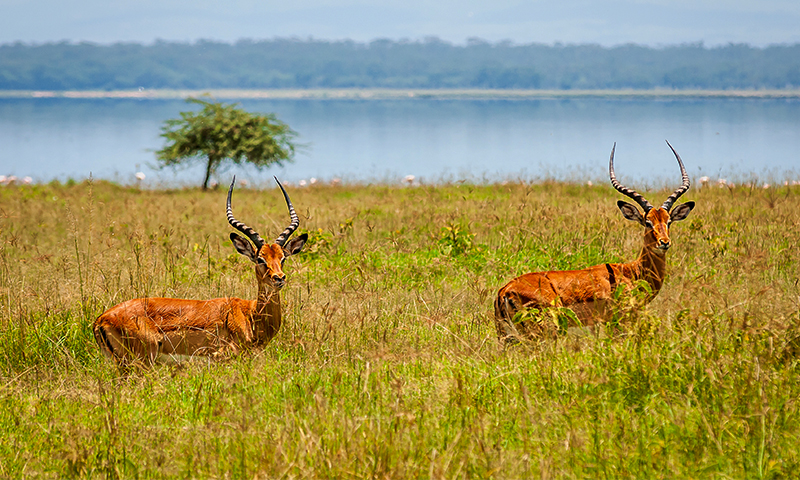
Northeast India shelters some of the most biodiverse forests in Asia, yet the region rarely appears on mainstream wildlife itineraries. The eight states east of the Siliguri corridor hold the world’s largest population of the one-horned rhinoceros, the only floating national park on the planet, and rainforests where the red panda, clouded leopard, hoolock gibbon and Bengal florican still hold ground. Landscapes shift dramatically within a few hundred kilometres, from Brahmaputra floodplains and elephant grasslands to Himalayan cloud forests and Mizo-Manipur rainforests, giving each reserve a distinct signature.
This guide covers fifteen of the most rewarding national parks in north east india and adjoining wildlife sanctuaries, spread across Assam, Arunachal Pradesh, Meghalaya, Manipur, Mizoram, Nagaland, Tripura and Sikkim. Each entry includes what makes the park worth the journey, key species to look for, and practical planning notes travellers ask us about most often.
The forests here sit at the meeting point of the Indian, Indo-Malayan and Indo-Chinese biogeographic zones, which explains the unusual species overlap. Elephants, tigers and gaur share range with primates and orchids more commonly associated with Southeast Asia. Roads are quieter, tourist volumes are a fraction of Ranthambore or Bandipur, and forest lodges tend to be small and community-run. That combination makes wildlife sanctuaries north east india particularly rewarding for birders, photographers and slow travellers who prefer immersion over checklist tourism. A well-planned
A well-planned North East India tour package usually combines two or three reserves with tribal villages, monasteries and tea gardens for a fuller regional picture.
Kaziranga is the anchor of any Northeast wildlife itinerary and a UNESCO World Heritage Site along the Brahmaputra. It holds the largest population of the great one-horned rhinoceros in the world, alongside significant numbers of wild water buffalo, swamp deer and Bengal tigers. The Central (Kohora) and Western (Bagori) ranges are the most visited, while the quieter Eastern (Agoratoli) range rewards birders. Jeep safaris run October to April; the park closes during the monsoon. For a longer read on the landscape and safari zones, see our field piece on Kaziranga: The Living Forest.
A UNESCO site, tiger reserve, elephant reserve and biosphere reserve rolled into one, Manas hugs the Bhutan border and shelters rarities such as the pygmy hog, hispid hare, golden langur and Bengal florican. The landscape is gentler than Kaziranga’s, with grasslands giving way to Bhutan’s foothills on the horizon and the Manas river cutting through the reserve. Safaris from Bansbari and Mathanguri offer excellent chances of tuskers and, with patience, big cats. Manas rebounded strongly after a difficult period of insurgency-related setbacks in the 1990s and is now one of the country’s more encouraging conservation stories.
Nameri sits along the Jia Bhorali river on the Assam-Arunachal boundary and is best explored on foot with a forest guard. The park is one of the last strongholds of the white-winged wood duck and a reliable spot for capped langur, great hornbill and four species of wild cat. River rafting on the Jia Bhorali doubles as a birding transect, making Nameri one of the more experiential wildlife stops in the region.
Upper Assam’s Dibru-Saikhowa is a mosaic of grasslands, swamps and semi-evergreen forest sandwiched between the Brahmaputra and Lohit rivers. It is famous for feral horses, the endangered white-winged wood duck and one of the finest winter congregations of migratory waterfowl in the country. Country-boat safaris from Guijan Ghat give a very different perspective from the standard jeep circuit.
Often called a mini Kaziranga, Orang sits on the north bank of the Brahmaputra and protects rhinos, tigers, elephants and pygmy hogs across just 79 square kilometres. Its compact size makes sightings efficient, and the park is a strong add-on for travellers already visiting Nameri or Kaziranga. Bird activity is high in winter, especially along the wetlands.
Namdapha is the fourth largest national park in India and among the most ecologically remarkable, being one of the very few reserves in the world where four large cats coexist: tiger, leopard, clouded leopard and snow leopard. It also holds the endemic Namdapha flying squirrel and hoolock gibbon, and its lowland evergreen rainforest is among the northernmost on Earth. Access is via Miao in Changlang district and takes commitment; roads are basic, accommodation is limited to forest rest houses and a handful of eco-camps, and cellular network drops well before the entry gate. The reward is a rainforest experience found almost nowhere else in India.
Eaglenest, in West Kameng, is one of Asia’s most celebrated birding sites and the type locality of the Bugun liocichla, a species new to science described only in 2006. Altitudes drop from around 3,250 metres to under 500, producing an unusual mix of Himalayan and tropical species within one sanctuary. Read our detailed guide to Eaglenest Wildlife Sanctuary before planning a trip.
Also known as Pakhui, this reserve is best known for its long-running hornbill conservation programme run in partnership with the Nyishi community. Four hornbill species breed here, including the great hornbill and the wreathed hornbill. Pakke shares a boundary with Nameri, and the two together form a critical elephant and tiger corridor across the Assam-Arunachal border.
A UNESCO biosphere reserve in the Garo Hills, Nokrek is the last stronghold of the red panda in Meghalaya and a genetic reservoir for wild citrus, the ancestor of modern lemons and oranges. Trekking is the primary way to explore the park, with the Nokrek Peak trail offering long views over the Garo landscape. Hoolock gibbons and clouded leopards are the flagship mammals.
Balpakram sits on a plateau in the South Garo Hills and is often called the land of spirits in Garo folklore. The park protects clouded leopard, marbled cat, red panda and the rare wild water buffalo. Deep gorges cut into the plateau, and pitcher plants grow along its edges. The park suits travellers combining wildlife with cultural encounters in the Garo villages.
Keibul Lamjao is the only floating national park in the world, formed of thick mats of vegetation called phumdis on Loktak Lake. It was gazetted specifically to protect the endangered sangai, or Manipur brow-antlered deer, which walks on these floating islands. Boat tours from Sendra offer both wildlife viewing and a look at one of India’s most unusual freshwater ecosystems.
Dampa is Mizoram’s largest wildlife reserve, a semi-evergreen forest along the Bangladesh border. Camera-trap studies have recorded clouded leopards, marbled cats, Asiatic golden cats, leopard cats and, occasionally, tigers, making it one of India’s richest small-cat habitats. Access is via Aizawl and requires prior permits from the Mizoram forest department.
Ntangki lies in Peren district and protects one of Nagaland’s last stretches of tropical semi-evergreen forest. Hoolock gibbon, capped langur, sloth bear and the endangered white-breasted hornbill are among its residents. The park’s cultural context, wrapped in Zeliang folklore, adds a layer that most standard safari destinations do not offer.
A UNESCO World Heritage Site listed under both natural and cultural criteria, Khangchendzonga is a high-altitude reserve dominated by the world’s third highest peak. It shelters snow leopards, red pandas, Himalayan tahr, blue sheep and musk deer across alpine meadows, glaciers and rhododendron forests. The Goecha La trek is the classic way to experience the park; wildlife sightings are opportunistic but the landscape alone justifies the journey.
Sepahijala, near Agartala, is a compact reserve best known for the endangered Phayre’s langur, or spectacled langur, and clouded leopards housed within its zoological park. The sanctuary works well for families and shorter trips, combining primate viewing with a botanical garden and lake. It rounds out any Northeast circuit that also includes the region’s larger, wilder reserves.
Most reserves in the region are open from November to April. Kaziranga, Manas, Orang and Nameri close through the monsoon because of flooding along the Brahmaputra. Higher altitude parks such as Khangchendzonga and Eaglenest are best in the shoulder months of March-May and September-November when visibility is clearer. Bird activity peaks between December and February, when migratory species join residents.
Travellers looking for structured, guided journeys can review our curated wildlife tour packages or write to us for a tailored Northeast itinerary that combines two or three of the reserves above.
The national parks in north east india reward travellers who slow down. This is not a region for a compressed three-day sweep; it rewards those who spend a morning waiting for hornbills at a fruiting tree or an evening scanning grasslands for rhino. Some visitors come specifically for the rainforests of Namdapha, others for the floating phumdis of Loktak or the alpine slopes of Khangchendzonga, but the eight states east of the Brahmaputra offer wildlife experiences that most of India’s better-known reserves simply cannot match. Regional guides make an outsized difference here because they know when hornbill flocks arrive at a specific tree, which grassland has recent rhino activity, and which forest track is passable after a late shower. When you are ready to plan, get in touch with our team for a customised itinerary built around your interests, travel window and pace.
Kaziranga National Park in Assam is the most famous, both as a UNESCO World Heritage Site and as the world’s largest stronghold of the one-horned rhinoceros. It also protects tigers, elephants, wild water buffalo and swamp deer.
November to April is the best window for lowland reserves such as Kaziranga, Manas, Nameri and Orang. High-altitude parks like Khangchendzonga and Eaglenest are ideal from March to May and September to November. Most lowland parks close during the monsoon.
The eight Northeast states together have over a dozen notified national parks and around fifty wildlife sanctuaries. Assam alone has seven national parks, and Arunachal Pradesh contributes several of India’s most biodiverse reserves.
Keibul Lamjao National Park in Manipur is the world’s only floating national park. It sits on Loktak Lake and was created to protect the endangered sangai, or brow-antlered deer, which lives on floating vegetation called phumdis.
Yes for Arunachal Pradesh, Nagaland, Mizoram and parts of Manipur, where an Inner Line Permit is required for Indian citizens and a Protected Area Permit for foreign nationals. Assam, Meghalaya, Tripura and Sikkim generally do not require special permits for park entry, though individual reserves have their own booking rules.
Kaziranga has the highest rhino density anywhere in the world. Orang and Manas in Assam are strong secondary options, and Pobitora Wildlife Sanctuary near Guwahati is worth a mention for its exceptional density on a very small area.

A Journey to Leh and Srinagar: Firsthand Travel Experience
25 Oct 2026
A Guide to Famous Temples in Himachal Pradesh
24 Oct 2026
9 Best Places to Visit in Lakshadweep, a Top Island Getaway in India
23 Oct 2026
7 Reasons Why One Should Travel by Indian Rail
22 Oct 2026
6 Reasons to Visit Chopta Valley in the Himalayas
21 Oct 2026


