 +919871148514
 info@memorableindia.com
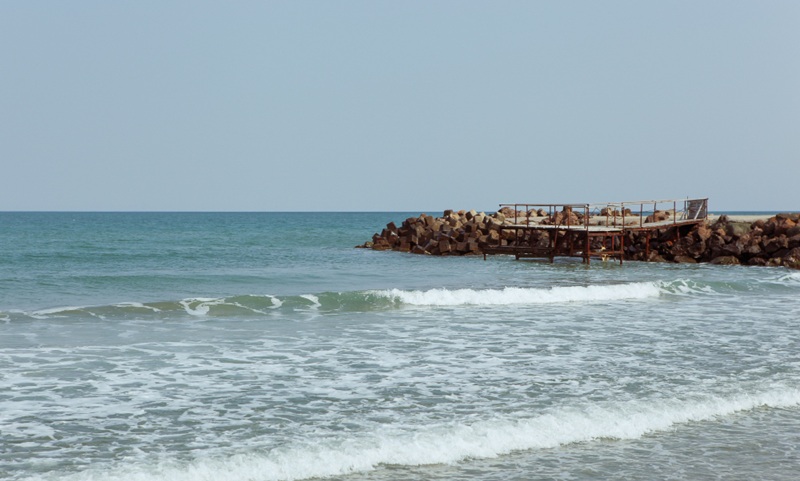
Mangalore sits at the point where Karnataka’s coastline meets the Western Ghats, and that geography shapes almost everything about a trip here. The city, officially Mangaluru, runs on a rhythm of fishing harbours, tiled-roof neighbourhoods, temple bells, church chimes, and an easy familiarity with the sea. For travellers weighing a coastal Karnataka itinerary, this is the port town that rewards a slow two or three days rather than a rushed half-day stop. Below is a working guide to the ten best places to see and the top things to do in Mangalore, built around what actually holds up on the ground.
Most itineraries treat Mangalore as a transit point between Goa and Kerala, or as a launchpad for Coorg and Chikmagalur. That undersells it. The Dakshina Kannada region has one of the country’s most layered coastal cultures, with Tulu, Konkani, Beary and Kannada communities living side by side, and a food scene that draws from Bunt, Mangalorean Catholic and Udupi kitchens. Add in ancient temples, colonial-era churches, working ports, clean beaches and forested hinterlands, and the case for a proper stopover writes itself.
For travellers building a longer south-western circuit, Mangalore also pairs neatly with wildlife and hill destinations across the state, which is why it often features in a wider Karnataka wildlife tour for visitors who want to move from the coast into forest country.
Panambur is the busiest and best-known beach in the city, set close to the New Mangalore Port. The shoreline is wide, the sand is generally clean, and lifeguard cover is reliable during peak hours. Families use it for camel rides, banana-boat runs and jet-ski rentals, while evening crowds gather for the sunset. The annual International Kite Festival held here draws participants from across the country and adds a festive layer for anyone visiting in season.
Best for: first-time visitors, families, sunset watchers.
Timing tip: reach by 4.30 pm to catch the sunset without the peak weekend rush.
If Panambur feels too active, Tannirbhavi is the quieter alternative across the Gurupura River. Casuarina trees line the shore, the crowds thin out on weekdays, and the sand stays cleaner than most city beaches. You can reach it by road via Bengre, but the more enjoyable option is the short ferry that runs from the Sultan Battery jetty. The crossing takes only a few minutes and gives you a low-cost water view of the estuary where the river meets the Arabian Sea.
Best for: couples, solo travellers, photographers.
Completed in 1885 on Lighthouse Hill, St. Aloysius Chapel is one of the most striking pieces of religious art in south India. The interior walls and ceiling are covered with frescoes painted by the Italian Jesuit artist Antonio Moscheni, depicting scenes from the life of Christ and the apostles. Photography is restricted inside, which is worth respecting; the paintings are delicate and the chapel remains an active place of worship. Even for travellers with no religious interest, the artistry alone justifies the visit.
Best for: art lovers, history readers, quiet-hour visitors.
Timing tip: mornings on weekdays are least crowded.
Set at the foot of the Kadri Hills, this temple dates back to the tenth and eleventh centuries and is one of the oldest surviving shrines in the region. The presiding deity is Lord Manjunatha, and the temple is best known for its bronze sculpture of Lokeshwara, considered among the finest examples of early medieval bronze work in south India. The layout also reflects the site’s Buddhist past, with nine sacred water tanks scattered around the complex. A short climb behind the temple leads to Kadri Hill Park, which offers a green break from the city.
Best for: pilgrims, heritage travellers, early risers.
Built in 1784 by Tipu Sultan, this small black-stone watchtower once guarded the mouth of the Gurupura River against warships. It looks like a miniature fortress from a distance, with narrow openings for cannons and a flat top that gives you a clear view of the river meeting the sea. The site itself is compact, but the surroundings are pleasant to walk around, and this is where the ferry to Tannirbhavi departs, which makes it an easy pairing with a beach afternoon.
Best for: history buffs, half-hour stopover on the Boloor route.
Consecrated in 1912 under the leadership of the social reformer Narayana Guru, the Kudroli Gokarnath Temple is dedicated to Lord Gokarnanatheshwara and remains an important symbol of the Billava community’s contribution to Mangalore. The temple grounds are extensive, the sculpture work is elaborate, and the Navratri Dussehra celebrations here are among the most watched in coastal Karnataka, with brightly lit tableaux drawing huge evening crowds.
Best for: cultural travellers, festival visitors in October.
The city takes its name from the goddess Mangaladevi, and the temple dedicated to her in the Bolar area is the natural starting point for anyone interested in the origin story of Mangaluru. Built in the ninth or tenth century in the Kerala style of temple architecture, the shrine has a quiet, unhurried feel that contrasts with the busier temples in the city. The Dussehra procession here is one of the oldest in the region.
Best for: heritage-first travellers, short morning visits.
Pilikula is a large ecological park on the eastern edge of the city that packs in a biological park, a botanical garden, a heritage village, a lake and a science centre. Families with children usually spend at least half a day here. The Guthu House recreation inside the heritage village is one of the better introductions to traditional Tulu Nadu domestic architecture available anywhere in the region, and the biological park has active conservation programmes for the lion-tailed macaque and other Western Ghats species.
Best for: families, school-age children, unhurried afternoons.
South of the city, Someshwara Beach is set against a coastline of large volcanic rocks that give it a rougher, more dramatic character than the sandy stretches to the north. The adjoining Someshwara Temple is dedicated to Lord Shiva and has a coastal setting that feels genuinely old world. Nearby Ullal was the seat of Rani Abbakka Chowta, the sixteenth-century Tuluva queen who resisted Portuguese incursions, and pieces of her fort still stand as a reminder of the region’s long maritime history.
Best for: history readers, offbeat coastal walks.
North of the city, past the industrial belt, Surathkal Beach carries the added visual anchor of the NITK Lighthouse rising above it. The stretch is cleaner than the more central beaches, and the campus of the National Institute of Technology Karnataka gives the area a young, relaxed atmosphere in the evenings. This is a good sunset alternative for anyone staying further north, or for travellers pairing a Mangalore day with a stop at Udupi or Malpe.
Best for: sunset walks, quieter evenings, campus town character.
Beyond the sightseeing list, the city rewards a slightly more open itinerary. A few experiences worth planning for:
The most comfortable stretch is October to February, when daytime temperatures sit in the mid-twenties to low thirties and humidity drops to a manageable level. March to May is hot and sticky, and better skipped unless you are on a very tight schedule. June to September brings heavy monsoon rain, which limits water sports and beach access, though the countryside is at its greenest and hotels tend to be cheaper. Post-monsoon September and October pair pleasant weather with a still-lush landscape, and are quietly one of the best value windows in the year. Official regional guidance is available on the Karnataka Tourism portal for anyone cross-checking seasonal event schedules.
Mangalore International Airport at Kenjar Bajpe sits about 16 km from the city centre and connects reliably with Bengaluru, Mumbai, Delhi, Chennai and Hyderabad, along with a handful of Gulf cities. Current schedules and terminal information are published on the Mangalore International Airport website. Rail is equally straightforward: Mangalore Central and Mangalore Junction handle Konkan Railway services down the west coast and long-distance trains from Kerala, Karnataka and beyond. By road, NH 66 runs along the coast from Goa and Kerala, and NH 75 connects the city to Bengaluru through the Shiradi Ghat.
For visitors combining Mangalore with a wildlife or hill add-on, Coorg and Chikmagalur are both within a comfortable half-day drive, and travellers planning a longer route across the state often build Mangalore into a wider seven-day Western Ghats tour package that stitches together coastal Karnataka with the coffee country and the hills.
A well-paced Mangalore itinerary balances the sea, the shrines and the kitchens without turning into a checklist run. If you would like a private car, hand-picked stays, and a route that connects Mangalore with Coorg, Chikmagalur or Udupi in the same trip, the Memorable India team can put together a customised plan that reflects your travel style, dates and pace. Reach out through our Contact Us page to start a conversation with one of our travel consultants.
Q1. How many days are enough for a Mangalore trip?
Two days are enough for the main sightseeing list, including the beaches, key temples, St. Aloysius Chapel and Sultan Battery. Three days let you add a day trip to Udupi and Malpe or a temple circuit to Dharmasthala and Kukke Subramanya.
Q2. What is Mangalore famous for?
Mangalore is best known for its coastal cuisine, its historic port, ancient temples like Kadri Manjunath and Mangaladevi, colonial-era churches such as St. Aloysius Chapel, clean beaches like Panambur and Tannirbhavi, and its position as the commercial and cultural centre of the Tulu Nadu region.
Q3. Which is the best beach in Mangalore?
Panambur Beach is the most popular for its facilities, water sports and evening ambience. Tannirbhavi is better for a quieter day, while Surathkal and Someshwara suit travellers looking for a lower-key sunset stretch away from the main tourist crowd.
Q4. Is Mangalore worth visiting for a solo traveller?
Yes. The city is safe by south Indian coastal standards, public transport is reasonable, and the mix of beaches, heritage sites and food makes it easy to plan a self-guided two or three day trip without joining a group.
Q5. What is the best food to try in Mangalore?
Start with Neer Dosa, Kori Rotti, Chicken Ghee Roast, Kane rava fry, Anjal tawa fry, Mangalorean fish curry with red rice, and Goli Baje as a tea-time snack. Vegetarian travellers should look for Udupi-style thalis and Mangalore Buns.
Q6. Can Mangalore be combined with Coorg or Chikmagalur?
Yes. Coorg is about 140 km inland and Chikmagalur about 155 km to the north-east. Both are within a comfortable four to five hour drive, and many travellers extend their coastal trip into the Western Ghats for a more complete Karnataka experience.
12 Top Tourist Destinations in Jammu and Kashmir for a Memorable 2026 Trip
13 Oct 2026
12 Tips to Remember Before Holidaying in the Northeast Indian States
11 Oct 2026
10 Things to Do on a Family Vacation in Shimla, Himachal Pradesh
09 Oct 2026
10 Days in India: Where to Go and What to See
05 Oct 2026
10 Best Places in North India for Corporate Outings to Recharge and Build Team Spirit
01 Oct 2026


