January is the one month when you can watch fresh snow settle over Gulmarg on a Monday and be barefoot on an Andaman beach by Friday. India’s winter peaks here, and the subcontinent effectively runs two comfortable climates at once: a crisp, dry north where forts and monuments are finally walkable at midday, and a warm south and coastline where the sea is calm and the backwaters run clear. Add a festival calendar that barely pauses after the second week, and the case for travelling now makes itself. What follows is a working list of 40 destinations by region, plus the practical detail that decides whether a January itinerary holds together.
Why January Works So Well Across India
Three things line up at once, which is rare in a country this large.
Weather. Delhi, Agra and Jaipur typically sit between roughly 7 and 22 degrees Celsius, which turns long sightseeing days from an endurance test into a pleasure. Kerala and Tamil Nadu hold the mid-20s to low 30s with very little rain. Himalayan resorts keep their snow.
Wildlife. Cold mornings push tigers, rhinos and lions into open ground earlier in the day, and Central Asian migratory birds are at full strength in Indian wetlands.
Festivals. Makar Sankranti, Pongal, Lohri and Magh Bihu cluster around 14 January, and Republic Day follows on 26 January. Our guide to fairs and festivals in India is useful for matching dates to regions before you fix an itinerary.
The trade-off is demand. Most India January travel destinations run at peak occupancy, so hotels, safari permits and domestic flights price accordingly and sell out early. Planning ahead is not optional.
North India and the Himalayas
The classic winter belt. Cool days, cold nights, and monuments at their most photogenic.
Delhi. Clear mornings make Humayun’s Tomb, Qutub Minar and the Lodhi Garden walk genuinely comfortable. Visiting around 26 January adds the Republic Day parade on Kartavya Path, though central Delhi runs heavy security closures either side.
Agra. Fog is the one variable worth planning around. Sunrise slots at the Taj Mahal can be flat and hazy in early January, so build in a second morning rather than betting on one attempt. Most travellers pair it with Delhi and Jaipur through standard Golden Triangle tour packages, still the most efficient first-time route.
Varanasi. The Ganga Aarti at Dashashwamedh Ghat carries more atmosphere in winter mist than at any other time. Boat mornings are cold, so carry a layer more than you think you need.
Rishikesh. Riverside yoga stays without the summer crowd. Rafting operates through January on the Shivpuri to Rishikesh stretch, though the Ganga is properly cold.
Amritsar. Reaching the Golden Temple before 5 am in January cold, with the langar hall warm behind you, is a specific kind of experience. Lohri on 13 January fills the city and the surrounding Punjab villages.
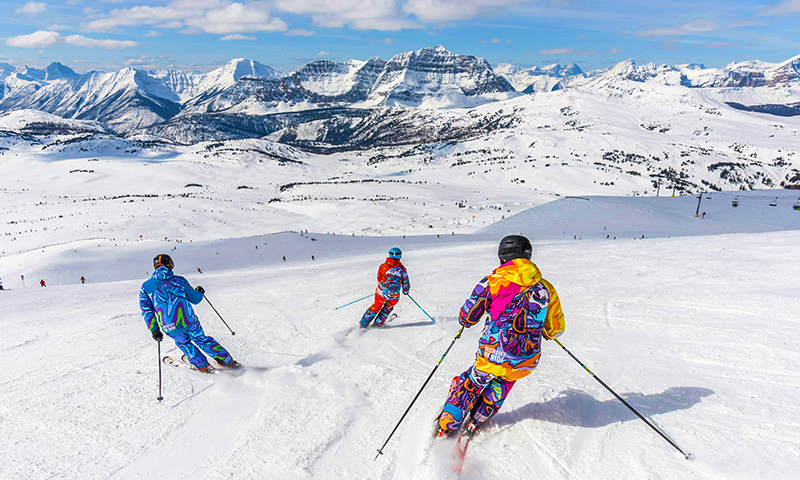
Gulmarg, Kashmir. The most dependable snow in the country and the Gulmarg Gondola, which climbs towards Apharwat Peak. Ski conditions strengthen from January into February.
Auli, Uttarakhand. Slopes at roughly 2,800 metres reached by cable car from Joshimath, with Nanda Devi and Trishul on the skyline when the sky is clear. A shorter, cheaper snow option than Kashmir for travellers based in Delhi.
Dharamshala and McLeod Ganj. Monastery mornings, sharp Dhauladhar views and thinner crowds before the spring rush. Nights are cold, so check whether your stay has real heating.
Jim Corbett National Park. Winter grassland visibility is at its best, and the Dhikala zone is open. Roughly 260 km from Delhi, which makes it the easiest big-cat park to reach from the capital.
Rajasthan and Gujarat
Desert daytime temperatures finally behave, and two of India’s biggest winter events land in this belt.
Jaipur. The Amber Fort ramparts are climbable without heat exhaustion, and the Jaipur Literature Festival usually runs in the second half of the month. Book early if your dates overlap.
Udaipur. Lake Pichola at its clearest, with City Palace and Jag Mandir reflections that simply do not appear in the haze of other seasons. Early mornings are cold by Rajasthan standards.
Jodhpur. Mehrangarh Fort and the blue old town below it photograph exceptionally well in low winter light. Osian, about 65 km out, offers a quieter desert safari than Jaisalmer.
Jaisalmer. Camel safaris and camps at the Sam dunes. Night temperatures can drop close to single digits, so the quality of your camp bedding matters more than the tent’s photographs suggest.
Ranthambore National Park. Cold mornings extend daylight tiger activity around Padam Talao and the fort ruins. Core-zone permits for January weekends clear early, and our notes on wildlife photography tours in India cover how far ahead to lock zones and drives.
Bharatpur, Keoladeo National Park. A former royal duck-shooting reserve that is now one of Asia’s most important wintering wetlands. Its UNESCO World Heritage listing records some 364 bird species, with large winter congregations of ducks, geese, pelicans and waders arriving along the Central Asian flyway. Cycle rickshaws with trained local guides are the standard way around.
Rann of Kutch. The salt flats are at their whitest by January. Rann Utsav runs its tent city at Dhordo, about 80 km from Bhuj, through the winter season, and full-moon nights are the ones that sell out first. Gujarat Tourism’s Rann Utsav page is the reference point for confirmed dates. Pair it with the wider circuit through our Gujarat tour packages.
Ahmedabad. The International Kite Festival around Uttarayan on 14 January puts the entire old city on its rooftops. Sabarmati Ashram, Adalaj Stepwell and the Sidi Saiyyed screens fill the rest of the trip.
Gir National Park. The only place on earth with a wild Asiatic lion population. Winter safaris are comfortable and the light is good from the Sasan Gir zones.
Central India
Underrated in January, and considerably quieter than Rajasthan for the same quality of heritage.
Khajuraho. The Chandela temple complexes are best walked between 8 am and 11 am. The Khajuraho Dance Festival typically falls in February, so a January visit trades performance for space.
Orchha. Betwa riverside cenotaphs and Jehangir Mahal, with almost none of the crowd pressure of comparable sites. An easy pairing with Khajuraho and Gwalior.
Bandhavgarh Tiger Reserve. One of the highest tiger densities in India. Open-jeep mornings are genuinely cold, so the safari blanket is not decorative.
Kanha National Park. Sal forest and open maidans, with the hard-ground barasingha as the local speciality. Sightings improve as the winter grass shortens.
Mumbai and the West Coast
Mumbai. The city’s single best weather window. Marine Drive walks, the Elephanta Caves ferry and the Kala Ghoda Arts Festival, which usually opens in late January or early February.
Ajanta and Ellora Caves. Rock-cut Buddhist, Hindu and Jain complexes near Chhatrapati Sambhajinagar. Cool enough in January to do both on consecutive days without losing the afternoons.
Goa. Rates soften noticeably from around the second week once the New Year block clears, while the weather stays dry and warm. South Goa suits families, North Goa suits nightlife.
South India and the Coast
Warm, dry and reliably rain-free. This is where January’s second climate lives.
Hampi. The Vijayanagara ruins spread across a boulder landscape that becomes punishing outside winter. January is the one month when walking the full site over two days is realistic.
Mysuru. Mysore Palace, Devaraja Market and Chamundi Hill, with Bandipur and Nagarhole close enough for a two-night wildlife extension.
Coorg, Kodagu. Coffee harvest season. The estates smell of drying cherry, mornings are misty, and homestays are at their tightest of the year.
Munnar. Tea slopes around 1,600 metres with genuinely cold nights. Eravikulam National Park usually closes for the Nilgiri tahr calving season from late January, so check before building a day around it.
Alappuzha, Alleppey. Houseboat season at its best: clear water, low humidity and stable weather for an overnight cruise through the Vembanad backwaters.
Kochi. Fort Kochi on foot, the Chinese fishing nets at dusk, and Kathakali evenings. The Kochi-Muziris Biennale, when running, extends into the winter months.
Madurai. The Meenakshi Amman Temple anchors the city, and Pongal from around 14 to 17 January turns Tamil Nadu into a four-day harvest festival. Jallikattu at Alanganallur, roughly 30 km away, is the best-known event of that week.
Puducherry. The French Quarter, Auroville and a calm sea. A useful low-effort stop between Chennai and the temple circuit.
Kanyakumari. Sunrise and sunset over three seas from the same promontory, with the Vivekananda Rock Memorial a short ferry ride offshore.
Andaman Islands. Peak diving and snorkelling season at Havelock, now Swaraj Dweep, and Neil Island. Visibility is at its annual best, and Radhanagar Beach is the standard first stop.
East and Northeast India
Kolkata. Cool and dry, exactly when the colonial architecture walks, the Kolkata Book Fair and the Park Street food circuit work best.
Sundarbans. Mangrove boat safaris through the world’s largest tidal halophytic forest. Winter is the only practical season, though tiger sightings remain genuinely rare and should not be the reason you go.
Kaziranga National Park. Assam’s floodplain grassland holds the world’s largest population of greater one-horned rhinoceros, as UNESCO records. Winter grass is shorter, which lifts sighting rates for rhino, wild water buffalo and swamp deer across the same landscape.
Bodh Gaya. The Mahabodhi Temple complex draws a large international monastic presence through the winter teaching season, which gives January visits a different texture from the rest of the year.
Puri and Konark. The Jagannath Temple, a walkable beach and the Sun Temple at Konark about 35 km away. Odisha’s coast stays mild and dry.
Top Things to Do in India in January
Destinations are half the decision. The best things to do in India in January are the experiences that only work, or work best, in this window.
Fly a kite from an Ahmedabad rooftop during Uttarayan on 14 January.
Watch the Republic Day parade on Kartavya Path in Delhi on 26 January, tickets arranged well ahead.
Book a cold-morning tiger safari at Ranthambore, Bandhavgarh or Kanha, when daylight activity peaks.
Stay in a Rann Utsav tent on a full-moon night and walk out onto the white salt at midnight.
Ride the Gulmarg Gondola, or ski at Auli for a shorter trip from Delhi.
Birdwatch by cycle rickshaw at Keoladeo, ideally between 7 am and 10 am.
Take an overnight houseboat through the Alleppey backwaters.
Join a Pongal celebration in Madurai or a Tamil Nadu village, which is far more rewarding than watching from a hotel.
Dive or snorkel at Havelock while visibility is at its annual peak.
Walk Hampi at sunrise, starting from Matanga Hill before the day heats up.
Practical Planning Notes for a January Trip
A few operational realities decide whether a January trip runs smoothly.
Book 8 to 12 weeks out. Safari permits, Rann Utsav tents, houseboats and Kashmir hotels are the first to close. Rates on 22 December to 5 January are the year’s highest, and they fall noticeably after the first week.
Plan around north Indian fog. Dense fog affects Delhi, Punjab, Uttar Pradesh and Bihar from late December into mid-January, delaying flights and trains. Avoid same-day connections and keep morning departures out of tight itineraries.
Pack for two climates. A Delhi to Kerala itinerary spans roughly 20 degrees. Layers beat a single heavy coat, and open-jeep safaris need more warmth than city sightseeing.
Check permits and closures. The White Rann needs an entry permit, available through the Gujarat government permit portal. Central Delhi restricts movement around Republic Day, and some national park zones close on specific days.
Do not overreach geographically. Kashmir and the Andamans in the same ten days is a logistics problem, not an itinerary. Pick one climate, or allow at least 14 days for two.
Where January Does Not Work
Honest limits matter as much as recommendations. High Himalayan road circuits are closed: Ladakh’s overland routes, Spiti via Kunzum La and most of Lahaul are snowbound until late spring, and Ladakh is fly-in only, in severe cold. Northeast trekking is uncomfortable rather than impossible, and Sikkim’s high passes are unreliable. And if crowd-free travel is your priority, January is the wrong month at every marquee monument in the country. February and late November deliver similar weather with thinner queues.
Planning Your January Trip
The strongest January itineraries do one thing well rather than four things partially. A Golden Triangle route with Ranthambore attached, a Kerala backwater and hills loop, or a Gujarat circuit built around Rann Utsav will each deliver more than a scattered national tour. Memorable India has built these routes since 2005, with 24/7 on-trip support and no hidden costs in the quote. Share your dates and travel style, and our team will map the india january travel destinations that suit your group, then handle the permits, safaris and transfers January demands. Contact our travel specialists and you will have a tailored proposal within 24 hours.
Frequently Asked Questions
Which are the best places to visit in India in January?
The strongest January choices are Rajasthan (Jaipur, Udaipur, Jaisalmer), the Rann of Kutch in Gujarat, Kerala (Munnar, Alleppey, Kochi), Goa, Hampi, the Andaman Islands, and Gulmarg or Auli for snow. For wildlife, Ranthambore, Bandhavgarh, Kaziranga and Keoladeo peak in this month.
Is January a good time to visit India?
Yes. January is the peak of the Indian winter and the most comfortable month for sightseeing across most of the country. North India stays cool and dry, the south and coast stay warm without rain, and wildlife activity is high. The main drawbacks are peak-season pricing and north Indian fog.
Where should I go in India in January for warm weather?
Head south or to the islands. Kerala, Tamil Nadu, Goa, Karnataka’s coast, Puducherry and the Andaman Islands all hold daytime temperatures in the mid-20s to low 30s Celsius with very little rainfall through January.
What festivals happen in India in January?
Lohri on 13 January, Makar Sankranti, Pongal and Magh Bihu around 14 January, the International Kite Festival in Ahmedabad on 14 January, and Republic Day on 26 January. Rann Utsav in Kutch also runs through the month.
Can you see snow in India in January?
Yes. Gulmarg in Kashmir, Auli in Uttarakhand, Manali and Solang in Himachal Pradesh, and Sikkim’s higher reaches all hold snow in January. Gulmarg and Auli are the two most reliable for skiing and gondola access.
How far in advance should I book a January trip to India?
Eight to twelve weeks is a sensible minimum. Safari permits, Rann Utsav tents, Kerala houseboats and Kashmir hotels close earliest. If your dates fall between 22 December and 5 January, book three to four months ahead.
 +919871148514
 info@memorableindia.com