 +919871148514
 info@memorableindia.com
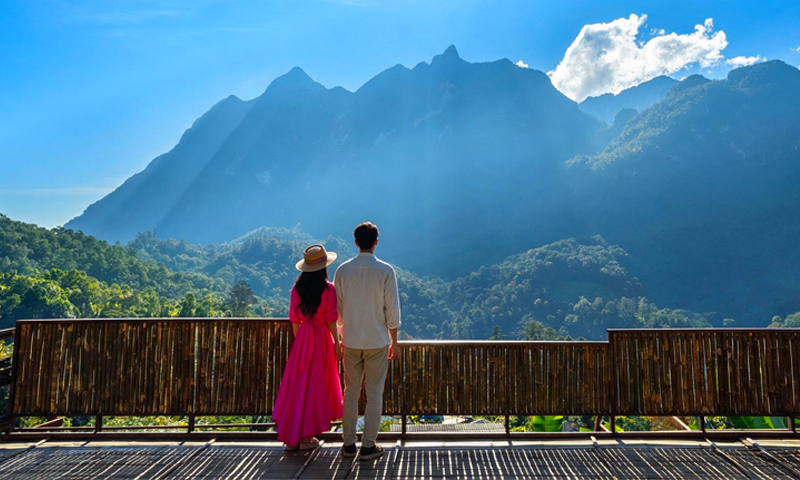
The first trip a couple takes after their wedding tends to shape how they travel together for years afterwards. Most Indian honeymooners land on a hill station for one straightforward reason: mountains buy privacy, cooler air, and the kind of slow mornings a beach town or a crowded city break rarely delivers. The problem is choice. India has close to a hundred hill towns that market themselves to couples, and the differences between them are sharper than the brochures suggest. A honeymoon that works beautifully in Gulmarg in January can fall apart in July. A trip that suits a first-time flyer in Ooty might feel tame to a couple looking for a Himalayan adventure. What follows is a working shortlist of 16 stations that consistently earn their reputation as the best honeymoon hill stations in India, grouped by region so you can match them to the season, your budget, and the kind of trip you actually want.
Snow, meadows, and a gondola ride climbing to Kongdoori and Apharwat: Gulmarg is the strongest winter honeymoon pick in the country. Couples visiting between December and March get powder skiing, sleigh rides, and evenings by wood-burning stoves in cottages and boutique hotels. Summer brings golf on one of the world’s highest courses, wildflower meadows, and pony rides. Gulmarg sits at around 2,650 metres, so keep the first day slow to acclimatise. For a broader Kashmir itinerary, our guide to the best places to visit in Kashmir for a honeymoon pairs well with this section.
Quieter than Gulmarg and greener, Pahalgam is built along the Lidder river and works best in late spring and early autumn. Betaab Valley, Aru, and Chandanwari make for easy day trips, and riverside camps have gradually replaced the older tourist lodges. Couples looking for privacy without going fully remote find the setting near ideal, particularly in the boutique cabins around Laripora and the upper Lidder. Late May and September deliver the best trade-off between clear weather and thin crowds.
Manali is versatile in a way few honeymoon hill stations are. Old Manali and Naggar offer the quieter, orchard-lined side of town, while Solang and the Rohtang belt deliver snow drives and adventure activity when the weather cooperates. April, May, and October are the sweet spots for couples who want mountain air without either sub-zero temperatures or peak summer crowds. It is also the most reliable pairing with Shimla in our Himachal honeymoon tour package.
The former summer capital of British India still holds up as a honeymoon base, mainly for its walkability, the Kalka toy train, and the layered Mall Road experience. Chail and Kufri sit within an easy day’s reach for couples who want a quieter viewpoint or a short ride out. Shimla works best as a two or three night halt in a larger Himachal circuit rather than a full standalone trip. Heritage properties like the Wildflower Hall and Oberoi Cecil area still hold their appeal for couples who want colonial-era architecture, though smaller ridge-facing boutique stays now offer better value.
Tibetan culture, mountain-view cafes, and the Triund trek make this belt a favourite for couples who want a bit more than sightseeing. Bhagsu Waterfall, Namgyal Monastery, and the quiet walking loops around McLeodganj fill an easy three-day itinerary. Bir Billing, around 65 kilometres away, adds paragliding for the adventurous.
The Parvati Valley suits younger couples looking for cafes, riverside walks, and a distinctly informal vibe. Kasol works as a base, with Tosh, Kalga, and Chalal reachable as short excursions. Avoid the monsoon months here; the valley is landslide-prone, and the state administration occasionally restricts movement.
Mussoorie is the closest genuine hill station to Delhi and remains among the top picks for short honeymoons of three to four nights. Landour, the quieter ridge above, is where most couples now prefer to stay: colonial-era cottages, small bakeries, and long walks along Char Dukan. Camel’s Back Road and Lal Tibba are the standard walking loops.
The lake gives Nainital a natural centre that most hill stations lack, with boat rides, lakeside cafes, and evening walks framing most itineraries here. Naukuchiatal, Bhimtal, and Sattal, all within 25 kilometres, offer quieter stays for couples who prefer to skip the Mall Road crowds and instead take in the lesser-visited Kumaon foothills. The most reliable windows are March to June and October, with autumn generally offering the cleanest views towards the Nanda Devi range.
Auli is India’s most credible ski destination, with cable-car access from Joshimath and a small cluster of resorts at around 2,800 metres. December through February is peak season. In summer, the alpine meadows and the Kuari Pass trail make it a very different but equally rewarding honeymoon setting.
Gangtok is orderly, clean, and delivers one of the most reliable Himalayan honeymoons in the country. Tsomgo Lake, Nathula Pass, and Rumtek Monastery cover the standard day trips, while an add-on to Pelling or Lachung deepens the itinerary. Permits for restricted areas are best arranged through a registered operator.
The tea gardens, the toy train, and the Kanchenjunga sunrise from Tiger Hill remain the honeymoon draws, and none of them are overrated. Late March through May, and October through early December, are the strongest windows. Pair with Kalimpong or Sikkim for a fuller trip and consider a night in a working tea-estate bungalow.
Meghalaya’s honeymoon appeal is built around water: living root bridges, Nohkalikai Falls, the Umngot river in Dawki, and the caves of Mawsmai. Shillong itself is small, walkable, and quietly musical. October to April is the ideal window; the monsoon here is intense enough to reshape any itinerary.
Munnar’s tea gardens, Anamudi views, and the cottages tucked into estate land make it one of South India’s most consistent honeymoon picks. Pair it with Thekkady or the Alleppey backwaters for a full week. Our 6 days Kerala honeymoon package covers Kochi, Munnar, and a private houseboat, and is a strong template to adapt from.
The Nilgiri Mountain Railway, Doddabetta, and the botanical gardens sound obvious, but they still work. Ooty is easier for older honeymooners or couples looking for accessible sightseeing rather than treks, with well-graded roads, comfortable heritage hotels, and a temperate climate year-round. April to June and September to November are the calmer months; peak summer weekends now see traffic queues into town that can eat half a day if you time it wrong. A short add-on to Coonoor, only 19 kilometres away, gives a quieter counterpoint.
Coorg suits couples who want a coffee-estate stay over a conventional hill-town stay. Homestays on working plantations, Abbey Falls, Talakaveri, and the elephants at Dubare form the standard loop, and the food (Kodava pandi curry, kadambuttu, and estate-grown filter coffee) is genuinely part of the experience. Coorg works year-round, though the monsoon between June and August is dramatic and best avoided for a first honeymoon. October through March gives the cleanest weather and the best plantation atmosphere.
Kodai is the shola-forest, star-lake, cliff-view hill station, quieter than Ooty and better suited to couples who want walks and cafes over sightseeing checklists. Pillar Rocks, Coaker’s Walk, and the Berijam Lake day trip are the standard picks. September through March is the strongest window.
A few practical points that consistently trip couples up:
For any Kashmir, Sikkim, or Meghalaya itinerary, permit and paperwork logistics are worth handing to a registered operator. The Ministry of Tourism’s Incredible India portal is a reasonable starting reference for regulated destinations.
Our detailed comparison of the best honeymoon destinations in Himachal Pradesh and Uttarakhand expands on twelve of the stations covered above with itinerary suggestions.
Choosing between the best honeymoon hill stations in India comes down to two questions: what season are you travelling in, and how much time you are willing to spend on the road versus in one place. A couple flying in for six days is better served by a single-region trip through Kashmir or Kerala than by trying to string three Himachal towns together across long drives. A ten-day itinerary opens up Sikkim and Bhutan combinations, or a Kerala and Coorg pairing that most operators do not push often enough. Budget matters less than pacing here: two well-planned nights in one hotel almost always beat four nights split across three properties. The mountains reward a slower rhythm, and no honeymoon in the Indian hills has ever suffered from one extra night at the same hotel. If you would like a customised itinerary built around any of the destinations above, our team can shape one around your travel dates, arrival city, and preferred style of stay.
Gulmarg in Kashmir is the strongest pick for winter honeymoons, while Manali, Munnar, and Coorg lead through the rest of the year. The best choice depends on the season, your budget, and how far you are willing to travel from the nearest airport.
April to June and September to November are the most reliable windows across most Indian hill stations. For snow honeymoons in Gulmarg, Auli, or Manali, mid-December to mid-February is ideal. Monsoon months are best avoided in the Western Ghats and much of Himachal.
Kasol, Landour, Kodaikanal, and Darjeeling offer strong honeymoon experiences at mid-budget price points. Travelling in shoulder season and choosing homestays over branded resorts brings costs down without compromising the experience.
Six to eight nights is the sweet spot for most Indian hill honeymoons. Shorter trips work if you commit to a single destination like Mussoorie or Ooty. Longer itineraries suit multi-region trips such as Kashmir with Ladakh, or Kerala with Coorg.
Munnar leads on tea-estate landscapes and cottage stays, Coorg on coffee plantations and homestays, and Kodaikanal on quiet walks and lake views. Ooty remains the most accessible for older couples and first-time hill travellers from the south.
Sikkim, Darjeeling, and Meghalaya are among the safest and best-run honeymoon destinations in India. Permit logistics for Nathula, restricted areas, and border districts should be handled through a registered operator to avoid last-minute issues.
12 Top Tourist Destinations in Jammu and Kashmir for a Memorable 2026 Trip
13 Oct 2026
12 Tips to Remember Before Holidaying in the Northeast Indian States
11 Oct 2026
10 Things to Do on a Family Vacation in Shimla, Himachal Pradesh
09 Oct 2026
10 Days in India: Where to Go and What to See
05 Oct 2026
10 Best Places in North India for Corporate Outings to Recharge and Build Team Spirit
01 Oct 2026


