 +919871148514
 info@memorableindia.com
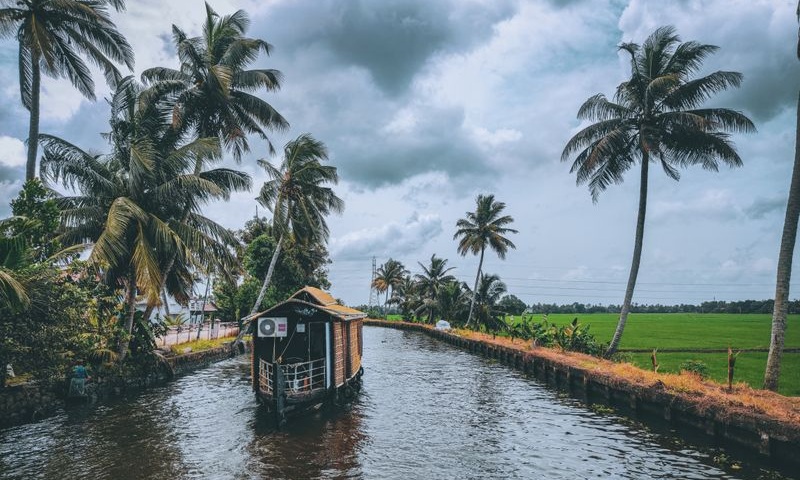
Kerala is one of those states that people plan to visit once and end up returning to every few years. The reasons are usually the same. The pace is slower than most Indian destinations, the food is remarkable across price points, and the geography packs beaches, backwaters, hills, and wildlife into a strip of land narrower than most people expect. If you are planning a first trip and want a clear sense of what to do, when to go, and how to move around without wasting days, this Kerala travel guide covers the essentials without the fluff.
The state runs along India’s southwestern coast, wedged between the Arabian Sea and the Western Ghats. That geography does most of the work. In a single week you can cruise a network of canals near sea level, sleep in a tea planter’s bungalow at 1,600 metres, and eat fresh karimeen curry served on a banana leaf. According to Kerala Tourism, the state has 14 districts, each with its own rhythm, and the transitions between them are surprisingly quick by Indian standards. Kochi to Munnar is roughly four hours by road. Munnar to Thekkady is another four. Alleppey to Kochi is under ninety minutes on a good day.
The other quiet advantage is infrastructure. Kerala has three international airports (Thiruvananthapuram, Kochi, and Kozhikode), a dense railway network, and better road quality than most southern states. Cochin International Airport was the world’s first fully solar-powered airport, a fact worth mentioning because it reflects a broader tone the state takes toward tourism and environment.
Timing decides most of what your trip will feel like.
For a straightforward first-time Kerala trip, the November to February stretch is the safest bet. Families with school-age children should note that mid-December to early January books out first, and rates in premium houseboats can nearly double during this window.
Kerala rewards travellers who choose a region rather than trying to see everything. Here is how the state breaks down for planning purposes.
Most trips start in Kochi (also spelled Cochin). Fort Kochi is the historic core, with Portuguese, Dutch, and British layers still visible in the architecture, the Chinese fishing nets on the shoreline, and the 16th-century Paradesi Synagogue in Mattancherry. Two days here is enough for the main sights, a Kathakali performance in the evening, and a walk through the spice markets.
Munnar sits at roughly 1,600 metres, about four hours from Kochi by car. The town itself is small and touristy, but the surrounding tea estates, Eravikulam National Park (home to the Nilgiri Tahr), and viewpoints like Top Station and Kolukkumalai make it worth two nights. The Kannan Devan Tea Museum is a useful stop for context before walking through the estates. For a closer look at the region’s attractions, our earlier piece on top places to visit in Munnar covers the essentials with practical detail.
This is the region most travellers picture when they think of Kerala. Alleppey (Alappuzha) is the main hub for overnight houseboat cruises on a converted Kettuvallam, the traditional rice barge. Kumarakom, on the eastern edge of Vembanad Lake, is quieter and better suited to travellers who want resort stays and Ayurveda over movement. The Vembanad-Kol wetland is a designated Ramsar site, which gives you a sense of its ecological weight. A well-planned Kerala backwaters houseboat tour usually includes one night on the water, which is the right amount for most travellers.
Thekkady is the base for the Periyar Tiger Reserve, where the main draw is a boat ride on Periyar Lake rather than a traditional jeep safari. Elephant sightings are common, tiger sightings are rare. The surrounding spice plantations grow cardamom, pepper, cloves, and vanilla, and guided walks through them are one of the more genuinely educational experiences in the state.
Kovalam is Kerala’s oldest beach destination, developed and easy to reach from Thiruvananthapuram. Varkala, an hour north, has a dramatic cliff-top promenade lined with cafes and Ayurveda centres, and a stronger backpacker character. Both work well as the closing leg of a trip.
Wayanad, in the north near the Karnataka border, is quieter, cooler, and better for travellers who want treks, waterfalls, and ancient rock-cut caves at Edakkal. It pairs naturally with Mysore or Coorg on an extended South India loop rather than a standard Kerala circuit.
For domestic travellers, direct flights from most metros land in Kochi in under three hours. Air India, IndiGo, and Akasa are the main carriers.
Distances in Kerala are short but roads are winding, especially in the hills. Budget more time than Google Maps suggests.
For a smoother experience, our full range of Kerala tour packages handles transport, permits, and accommodation as one package, which saves the daily coordination work.
Kerala food is coconut-forward, rice-based, and unusually good for vegetarians and seafood eaters alike. A few dishes worth ordering by name:
Toddy shops, called kallu shaps, serve fermented palm sap alongside spicy fish curries. They look basic but often produce some of the best food you will eat in Kerala. Ask your driver or hotel to recommend a well-run one because standards vary. For dessert, look out for payasam, a milk-based sweet often served after a sadya, and unniyappam, small fried rice cakes flavoured with banana and cardamom.
Kerala is culturally distinct from north India and worth understanding on its own terms.
For first-time visitors, this route balances hills, backwaters, and heritage without excessive driving.
Extend to nine or ten days if you want to add Wayanad or Kanyakumari, and shorten to five if you are focusing only on Kochi, Munnar, and Alleppey.
Kerala has been a quiet pioneer in responsible tourism, particularly in the backwaters where houseboat volumes have historically strained water quality. The state runs a certified Responsible Tourism Mission that connects travellers with village-run experiences, and choosing operators aligned with these standards makes a meaningful difference. Our earlier piece on responsible tourism in Kerala’s backwaters explains the history and what to look for when booking a houseboat. In practical terms, avoid single-use plastics, tip crew fairly, and pick smaller boats that pollute less than the multi-deck versions.
Kerala rewards travellers who plan two or three regions well rather than sprinting through six in a week. A first trip built around Kochi, Munnar, and the backwaters will give you a genuine sense of what the state offers, and most people find themselves planning a return before they leave. If you would like help shaping an itinerary around your dates, budget, and interests, the team at Memorable India is happy to plan the full trip end to end. You can reach us through our contact page and we will come back with a detailed proposal within a working day.
Seven days is the sweet spot for a first visit. It gives you two nights in a hill station, one on a houseboat, and time in Kochi and a beach town without excessive driving. Ten days lets you add Wayanad or Kanyakumari at a comfortable pace.
Yes. Kerala has among the highest literacy rates in India and a generally respectful culture toward women travellers. Standard precautions apply in isolated beaches and late-night travel, but the state is widely considered one of the safer destinations in the country.
November through February is the most reliable window. The water is calm, days are warm, evenings are pleasant, and the backwater villages are at their most photogenic. Book houseboats six to eight weeks ahead for this period.
No inner-line permits are required for Indian or foreign travellers in Kerala. Some wildlife reserves such as Periyar and Eravikulam charge entry fees and cap daily visitors, so pre-booking is worthwhile during peak season.
For most travellers, one night is the right amount. The rhythm of a Kettuvallam is slow by design, and 18 to 20 hours on the water covers the main scenic stretches without becoming repetitive. Two nights suit couples on a slow honeymoon or travellers pairing the boat with village walks.
Yes, and many travellers deliberately do. June through August is the traditional Ayurveda season because the humid air aids treatment absorption. Expect rain most days, greener landscapes, and lower rates. Some coastal beach shacks and smaller houseboats scale back operations, but the main tourist infrastructure runs year round.

9 Best Places to Visit in Lakshadweep, a Top Island Getaway in India
23 Oct 2026
7 Reasons Why One Should Travel by Indian Rail
22 Oct 2026
6 Reasons to Visit Chopta Valley in the Himalayas
21 Oct 2026
5-Step Guide to Plan a Jungle Safari Trip to Corbett National Park
20 Oct 2026
6 Popular Short Treks in Sikkim You Must Explore
19 Oct 2026


